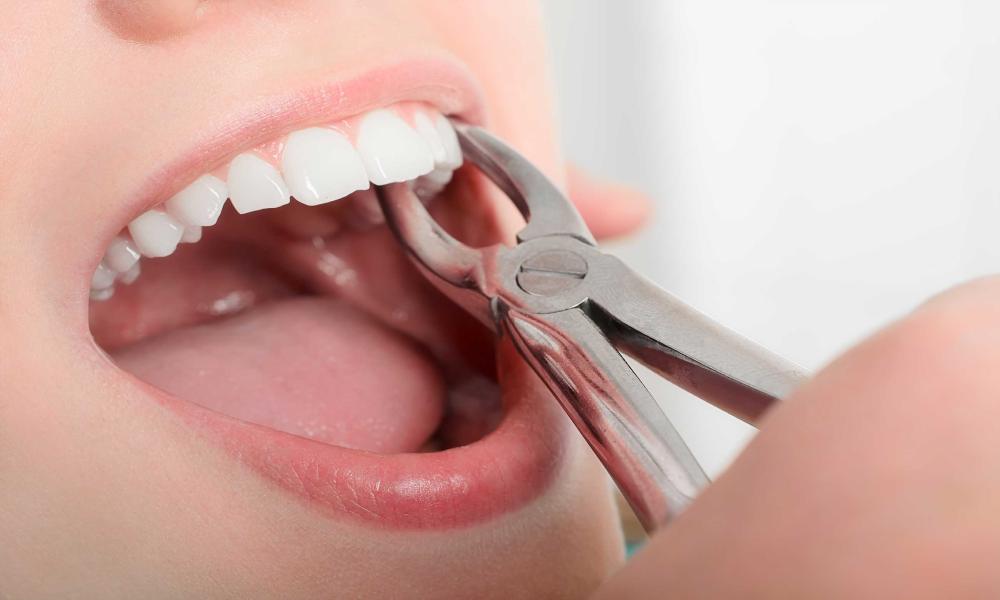
Undergoing a tooth extraction can be daunting. The recovery process is crucial for healing and avoiding complications. One key aspect of recovery is your diet. Knowing what to eat after tooth extraction can make a big difference. Soft foods are your best friends during this time. They help protect the extraction site and promote healing.
Avoiding certain foods is equally important. Some foods can irritate the extraction site or dislodge the blood clot. This guide from First Avenue Dental in Knightdale, NC, will help you navigate your tooth extraction recovery diet. It offers practical advice on foods to eat and avoid. By following these guidelines, you can reduce the risk of complications and support your healing process.
Why Your Diet Matters After Tooth Extraction
Your diet plays a critical role after tooth extraction. It directly affects your healing process and overall comfort. Soft foods are essential immediately post-extraction. They help protect the extraction site and are easy to eat. This minimizes irritation and allows for a faster recovery.
Certain foods and drinks can cause problems if not avoided. Some may irritate the extraction site or dislodge the blood clot, leading to complications like dry socket.
Here’s why diet matters:
- Protects the extraction area from irritation
- Supports faster healing through proper nutrition
- Reduces the risk of complications, like dry socket
Being mindful of what you consume ensures smoother healing. Following appropriate dietary guidelines can make your recovery experience less stressful. Avoiding specific foods and choosing the right ones is a proactive step in preventing delays in healing.
The First 24 Hours: What to Eat and Avoid
The first 24 hours post-extraction are crucial. During this time, your focus should be on protecting the extraction site. Soft and cold foods should be your go-to options.
Avoid any hot foods and beverages. Heat can increase swelling and dislodge the blood clot that forms at the extraction site. This blood clot is vital for proper healing. Here’s a list of what to eat:
- Applesauce
- Yogurt
- Smoothies (no straws)
Also, a few key practices can reduce potential issues. Drink plenty of water, but avoid using straws as suction can dislodge the clot.
Steer clear of acidic foods and beverages. Citrus fruits and juices can irritate sensitive tissue, hindering the healing process. Avoid these items:
- Hot soups and beverages
- Acidic drinks like orange juice
- Foods requiring chewing
Remember, these dietary restrictions aid recovery. Your adherence can help ease discomfort and facilitate healing. Make your food choices count during this initial and delicate phase.
24 to 48 Hours: Expanding Your Food Choices
As you enter the 24 to 48-hour mark, you might notice some improvement. This stage allows for a gradual expansion of your diet. Caution is still necessary, so choose foods that are easy to eat and soft.
At this point, you can incorporate more variety. Soft and nutritious foods will support the healing process. Focus on keeping the extraction site unbothered while enjoying more flavors and nutrients. Consider these foods:
- Mashed potatoes
- Scrambled eggs
- Soft noodles
It’s essential to maintain hydration, but remain mindful of the methods you use. Continue to avoid straws to prevent the risk of dislodging the blood clot. Opt for drinking directly from a cup.
During this time, continue to avoid sticky foods. They can get stuck in the extraction area and cause complications like infection or dry socket. Remember, these dietary precautions promote a smoother recovery, minimizing discomfort and potential problems. Gradually easing into broader food choices can aid in restoring normal eating habits.
Foods to Eat During Tooth Extraction Recovery
Focusing on the right foods during recovery is vital. Soft foods that are easy to chew will prevent irritation at the extraction site. Gentle foods will allow for comfort and proper healing.
Nutrient-rich options can aid the recovery process. Vitamins and minerals are important for tissue repair and health. Select foods that offer both nourishment and ease of consumption. Consider these nutritious foods during recovery:
- Yogurt
- Applesauce
- Cottage cheese
Each of these provides essential nutrients without causing harm. As you enjoy meals, ensure they are not too hot to avoid disturbing the healing site. Lukewarm temperatures are best for promoting comfort. Further soft foods include:
- Smoothies (avoid using straws)
- Soups (cooled to a safe temperature)
- Puddings
Including these choices supports your health during this time. They deliver necessary calories and promote recovery without compromising the extraction site. By embracing these options, your body can focus on healing, while you maintain a balanced diet.
Foods and Drinks to Avoid After Tooth Extraction
Avoiding certain foods and drinks post-extraction is vital for a smooth recovery. Some items can irritate the extraction site or increase the risk of complications. It’s best to steer clear of these food types:
- Crunchy or hard foods like nuts and chips
- Raw vegetables that require vigorous chewing
- Sticky foods such as caramel or toffee
These foods can dislodge the blood clot, leading to painful conditions like a dry socket. It’s important to ensure that the site remains undisturbed during the initial healing phase. Certain beverages can also pose risks. Avoid:
- Hot drinks, such as coffee and tea, can disrupt healing
- Carbonated drinks that might cause discomfort
- Alcoholic beverages, which can impede tissue repair
By refraining from these items, you give your mouth the best chance to heal effectively. Safeguarding against irritation ensures fewer complications and promotes a faster recovery process. Remember, the temporary restrictions you embrace now will contribute to a healthier outcome.
Sample Meal Plan for the First Few Days
Crafting a meal plan that supports healing after a tooth extraction is crucial. It helps provide the nutrients needed without compromising the recovery site. Here’s a simple guide for what to eat after a tooth extraction during the initial days.
Day 1-2: Focusing on Liquids and Soft Foods
In the first 24 hours, stick to liquid and very soft textures. Opt for:
- Yogurt (avoid ones with chunks or seeds)
- Applesauce
- Blended soups (ensure they are not hot)
- Smoothies (without using a straw)
These selections are gentle and provide some essential nutrients while minimizing any risk to the clot.
Day 3-4: Slowly Introducing More Variety
As the days progress, start adding a bit more variety:
- Mashed potatoes (with butter for added calories)
- Scrambled eggs
- Oatmeal (cook it well to soften)
By gradually expanding your diet, you keep the healing process steady. It’s essential to listen to your body’s signals. Introducing foods too soon might irritate the site, potentially slowing down your recovery process. Adjust the meal plan as necessary based on your comfort and progression.
Tips to Reduce the Risk of Complications (Like Dry Socket)
Preventing complications such as a dry socket should be a priority after tooth extraction. Dry socket occurs when the blood clot gets dislodged, delaying healing and causing pain.
To reduce the risk, avoid actions that create suction. This includes using straws or smoking. Such actions can dislodge the blood clot easily.
Also, steer clear of vigorous swishing when rinsing your mouth. Instead, gently rinse to keep the area clean without irritation. Maintain a safe and gentle approach by incorporating these strategies:
- Avoid chewy and sticky foods
- Do not consume hot foods or drinks
- Rest and avoid heavy physical activities
Following these tips helps create a conducive healing environment. If severe pain or unusual symptoms arise, contact your dentist for guidance. Remember, a cautious approach in the early days can significantly impact your overall recovery experience.
When and How to Reintroduce Solid Foods
Reintroducing solid foods after tooth extraction requires patience and care. Start with softer solids once pain and swelling subside. This generally occurs after a couple of days, but listen to your body.
Make the transition gradual to avoid irritating the extraction site. Initially, choose foods that are easy to chew and swallow.
Consider these options for a smoother transition:
- Soft pasta or noodles
- Cooked vegetables
- Tender fish
Monitor your comfort level and avoid hard, crunchy foods until fully healed. If you experience discomfort, revert to softer foods. As your mouth heals, you can gradually return to your normal eating habits. Always consult with your dentist if you’re unsure about your progress.
Frequently Asked Questions About Tooth Extraction Recovery Diet
Many people have questions about what to eat after a tooth extraction. Here, we address some common concerns to help you feel informed and prepared during recovery.
How long should I eat soft foods after a tooth extraction?
Stick to soft foods for at least the first few days. This reduces the risk of complications and supports healing.
Is it okay to eat hot foods?
It’s best to avoid hot foods and drinks during the early recovery phase. Heat can irritate the extraction site and dislodge the blood clot.
What should I avoid to prevent dry socket?
To reduce dry socket risk, avoid using straws and eating sticky foods. Keep to a soft diet initially. Always follow your dentist’s advice to aid recovery. Following these guidelines will ensure a smooth healing process.
Final Thoughts: Supporting Your Healing Process
Recovery from a tooth extraction takes patience and care. Following a proper diet is crucial to ensuring a smooth and quick recovery. Prioritize soft, nutritious foods and avoid anything that could disrupt healing, such as sticky or acidic foods. Listening to your body is key; if eating causes discomfort, adjust accordingly.
Above all, follow your dentist’s advice closely. The team at First Avenue Dental in Knightdale, NC, provides expert post-extraction guidance to help you heal comfortably and safely. Remember, everyone heals at a different pace, so give your body the time it needs to recover fully.