First Avenue Dental reception wall with logo and mirror reflection

Dental Implants in Knightdale, NC

Placed and restored in-house — no referral to an oral surgeon, no back-and-forth between offices.

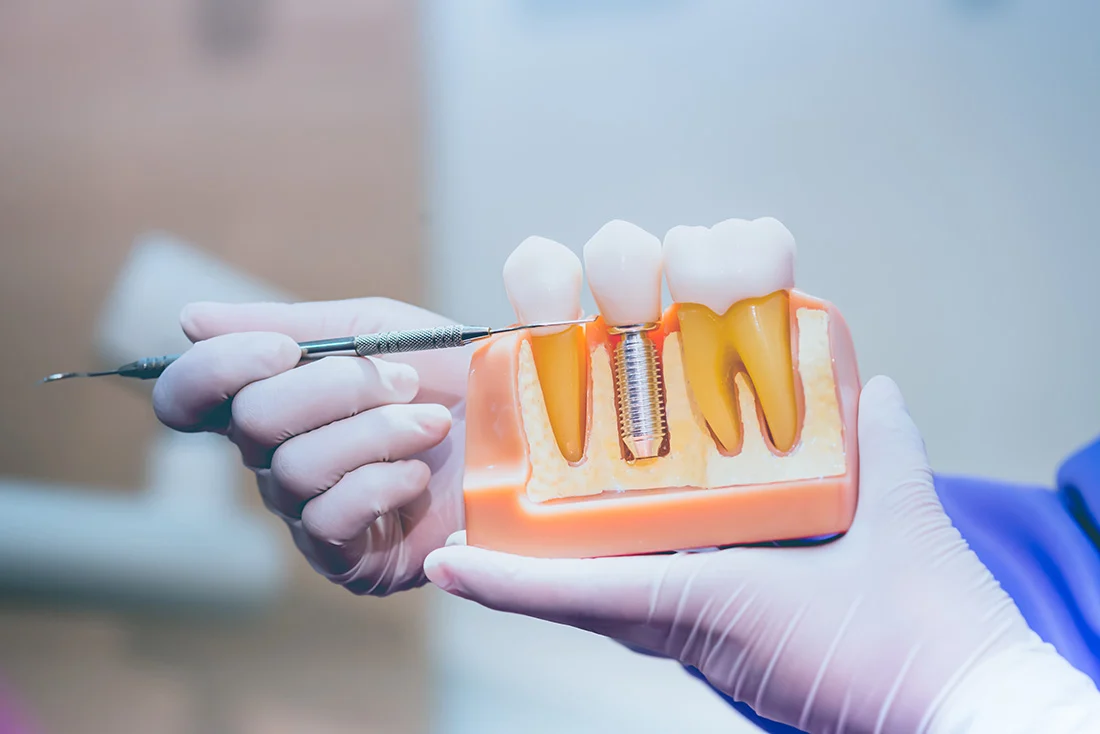
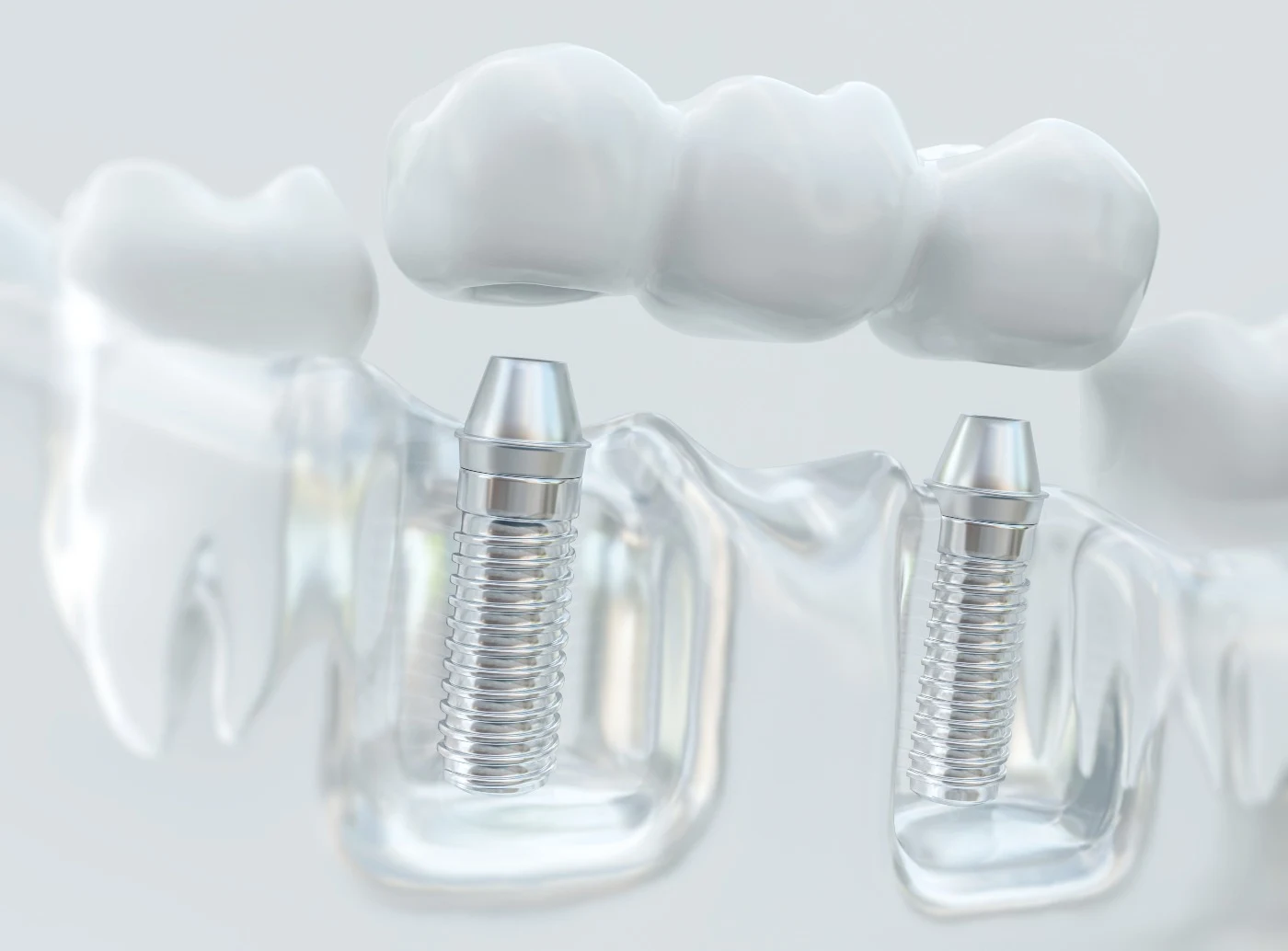
Dental model illustrating tooth replacement with prosthetic crowns

Dental Implants in Knightdale, NC — Placed & Restored In-House

A missing tooth affects more than your smile. It changes how you chew, how you speak, and over time, causes surrounding teeth to shift and jawbone to deteriorate. Dental implants are the only tooth replacement that addresses all of it — not just the visible gap, but the underlying bone structure.

At First Avenue Dental, Dr. Faisal Shaikh places and restores implants entirely in-house. One provider, one location, one consistent standard of care from your first scan through final crown placement. Patients across Knightdale, Wendell, Garner, and Wake County come to us specifically because they want the full implant process managed in one place — without the coordination gaps that come with referrals.
Dentist holding a dental model showing an implant between natural teeth

Why Choose Implants Over a Bridge or Denture?

Bridges and dentures are legitimate treatment options — but they come with trade-offs implants don't.

A traditional bridge requires permanently altering two healthy adjacent teeth to serve as anchors. A removable denture sits on the gum surface and can shift during eating or speaking. Neither stimulates the jawbone the way a natural tooth root does — which means bone loss continues over time regardless.

Implants are the only replacement option that preserves bone volume, keeps adjacent teeth untouched, and restores full chewing function without any movement or adhesive. They're also the most cost-effective long-term solution — lasting decades compared to bridges (10–15 years) and dentures (5–10 years before adjustment or replacement).

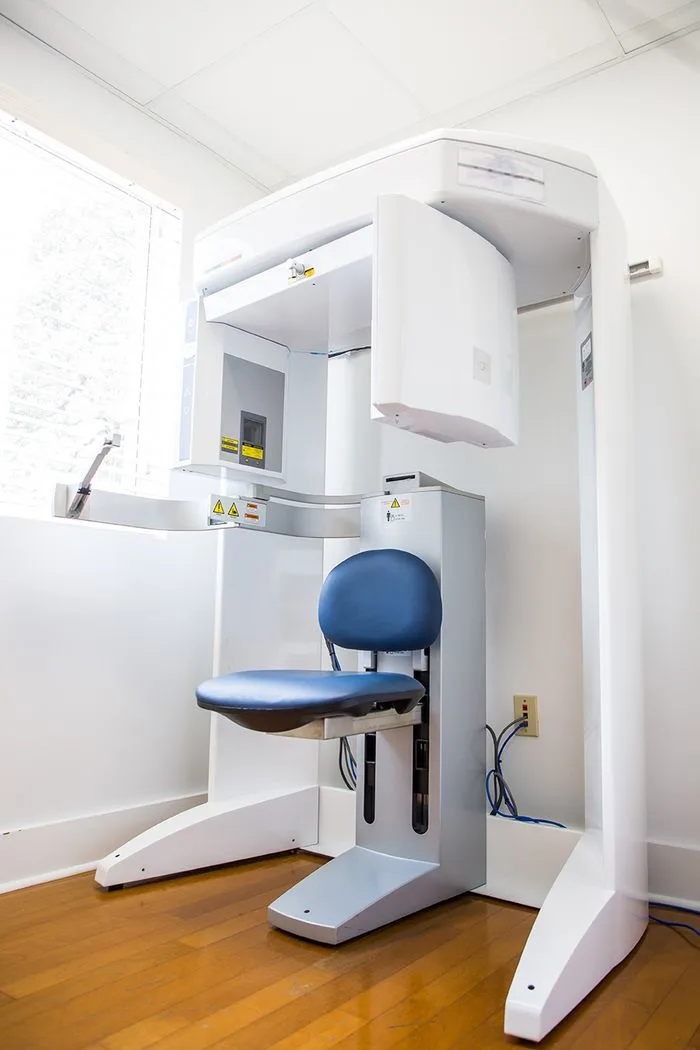
Computer monitor displaying a panoramic digital dental X-ray

Precision Implant Placement with CBCT 3D Imaging

Precise implant placement starts with precise imaging. At First Avenue Dental, we use CBCT cone beam CT technology to capture a full 3D image of your teeth, jawbone, bone density, and surrounding anatomical structures before a single incision is made.

This level of imaging allows Dr. Shaikh to plan the exact positioning, angle, and depth of each implant — accounting for bone availability, nerve proximity, and the final aesthetic outcome. Many practices send patients to external imaging centers for this step. We do it in-house, which means faster planning, better precision, and one less appointment for you.

Get Started On The Right Path!

We are honored that you’ve chosen us to help you regain your oral health. To show our gratitude, we are offering our patients an exclusive dental implant special. Get the high-quality care your smile deserves today.

Schedule Today
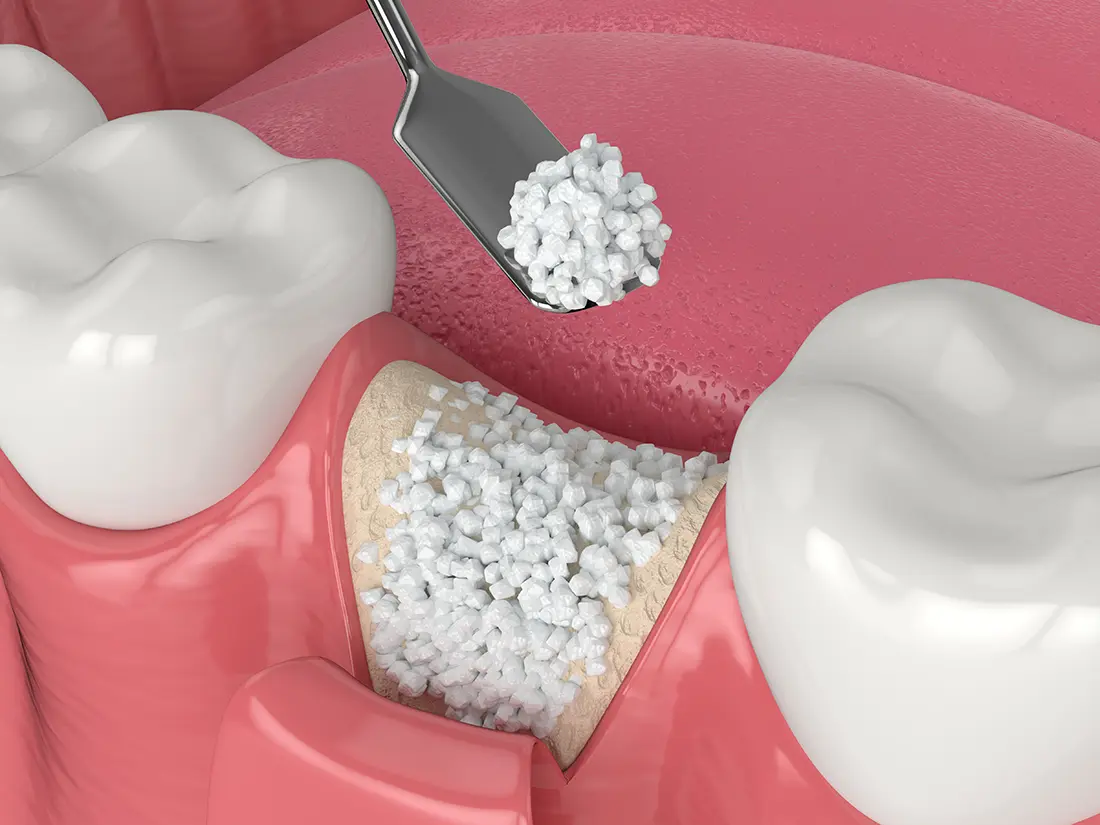
Dentist examining gum health during an oral exam

Bone Grafting for Dental Implants in Knightdale, NC

When a tooth is lost, the jawbone beneath it begins to shrink almost immediately. Without the stimulation of a tooth root, bone gradually resorbs — and the longer you wait, the more is lost. For many patients, this means there isn't enough bone volume to place an implant without preparation first.

Bone grafting rebuilds that foundation. We place a small amount of bone graft material at the implant site, which fuses with your existing bone over several months and creates the density needed for a stable, long-lasting implant. If you've been told in the past that you don't have enough bone for implants, it's worth getting a fresh evaluation. With CBCT 3D imaging, we can assess your bone volume precisely — and in many cases, patients who were told they weren't candidates find they have more options than they thought.

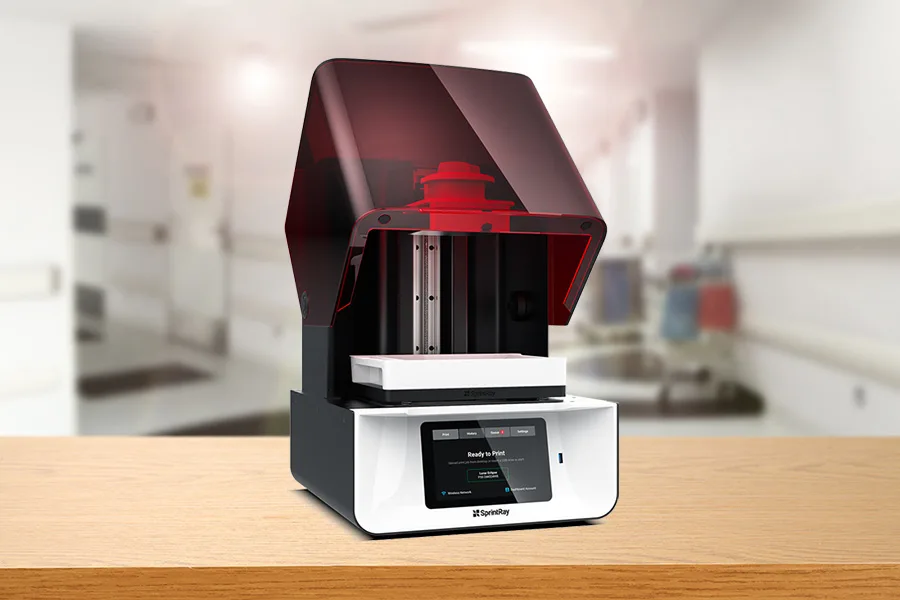
Dental 3D printer used to create precise surgical guides for implant placement

3D-Guided Implant Surgery — Precision You Can Count On

Using data from your CBCT scan, Dr. Shaikh designs a custom 3D-printed surgical guide that directs the implant to the exact planned position, angle, and depth — eliminating guesswork during surgery entirely.

The result is a faster procedure, less tissue trauma, more predictable healing, and a restoration that fits exactly as planned from day one.

Why Patients Choose Dental Implants

They Feel and Function Like Natural Teeth

Implants are the only tooth replacement that replicates the full function of a natural tooth root. You brush them, floss them, and bite into food with full confidence — no adjustments to your diet, no removal at night, no adhesives.

Natural-Looking Results

Every implant crown is custom-designed to match the shade, shape, and contour of your surrounding teeth. Most patients find it impossible to tell the difference between their implant and their natural teeth — and so will everyone else.

Prevents Bone Loss & Protects Surrounding Teeth

Implants are the only replacement option that stimulates the jawbone the way a natural root does — preventing the bone loss that begins immediately after a tooth is lost. Unlike bridges, they don't require altering healthy adjacent teeth.

The Implant Treatment Process

  1. Placement

    After your treatment plan is confirmed, we'll arrange your oral surgery and outline the procedure. In the surgery, a precise incision will be made in your gum to place the dental implant into your jawbone securely. Following this, we'll meticulously clean the area and apply sutures to initiate the healing phase.

  2. Healing & Osseointegration

    The healing process begins as soon as the implant is in place. The site of the incision will heal within 1-2 weeks. However, it takes about 3-6 months for the implant to fully integrate with your jawbone, a process known as osseointegration. During this period, we'll schedule a few follow-up visits to monitor your progress and ensure everything is healing correctly.

  3. Applying the Restoration

    The final step is the restoration phase. We will tailor-make a beautiful dental crown that complements your smile seamlessly and attach it securely to the abutment which securely attaches to your implant. With this final step, your smile will be beautifully restored and complete!

Frequently Asked Questions

Check out these frequently asked questions, or call us to speak with our team.

Single tooth implants are a popular choice for dental restoration. They consist of two primary components. The first is the implant itself, a titanium rod with a screw-like design. The second is the dental crown, or the visible part, which is attached to the rod. This crown replicates the look, functionality, and feel of your natural tooth. Offering superior durability, single-tooth implants are a stable solution, unlike partial dentures, and they remain firmly in place without shifting.

Our dental implants, made from high-grade titanium, are precisely crafted in specialized labs to ensure a variety of standard sizes for the implant post. The dental crown, a key component of the implant, is custom-made for each patient, ensuring a perfect match for your smile. Depending on your specific needs, we either create your implant in-house using cutting-edge milling technology or collaborate with a trusted lab, where we send detailed impressions of your teeth.

The lab meticulously constructs a durable and resilient crown, often using porcelain for its remarkable similarity to natural tooth enamel in both look and strength. Once your tailor-made crown is ready, it's sent back to our clinic. Here, we carefully attach it to the implant, ensuring a secure and seamless fit. This final step brings your dental restoration to completion, leaving you with a beautifully restored smile.

With correct placement and diligent maintenance, dental implants can last over 30 years, often remaining with patients for a lifetime. However, the crown or restoration part may require replacement over time due to normal wear from daily activities like chewing and biting. Regular dental check-ups allow us to ensure your implant and restoration remain in optimal condition.

While rare, it's possible for dental implants to get infected, a condition known as peri-implantitis. This typically occurs if the implant isn't adequately cleaned or cared for post-surgery. To prevent this, follow post-operative care instructions diligently and maintain regular oral hygiene practices once the implant has healed.

Yes, dental implants play a crucial role in preventing bone loss. When you lose a tooth, the jawbone misses the stimulation from natural chewing forces, leading to bone deterioration. The titanium implant post, once placed, integrates with the jawbone, acting like an artificial tooth root. It effectively transmits chewing forces to the jaw, just like a natural tooth, maintaining bone health and strength.

In certain situations, it's feasible to receive a dental implant in just one day. This depends on the specific implant type suitable for your case. Initially, a temporary restoration is provided to maintain functionality and aesthetics during the healing period. This allows normal speech and eating while you heal.

We schedule follow-up visits to monitor your healing and take impressions for your permanent restoration. This final, custom-made crown will be more durable and natural-looking compared to the temporary one. We recommend a consultation to explore the best implant options for your needs.

Let's get you scheduled

Preserve. protect. restore

Contact Us Now