Missing teeth can change more than your smile. They affect how you chew, speak, and feel about your appearance. Over time, they can even impact your oral health and jawbone strength.
That is where dental implants come in. Dental implants are one of the most reliable ways to replace missing teeth. They look natural. They feel natural. And they function like real teeth.
If you live in Knightdale, NC, and are considering tooth replacement, this guide explains everything you need to know.
What Are Dental Implants?
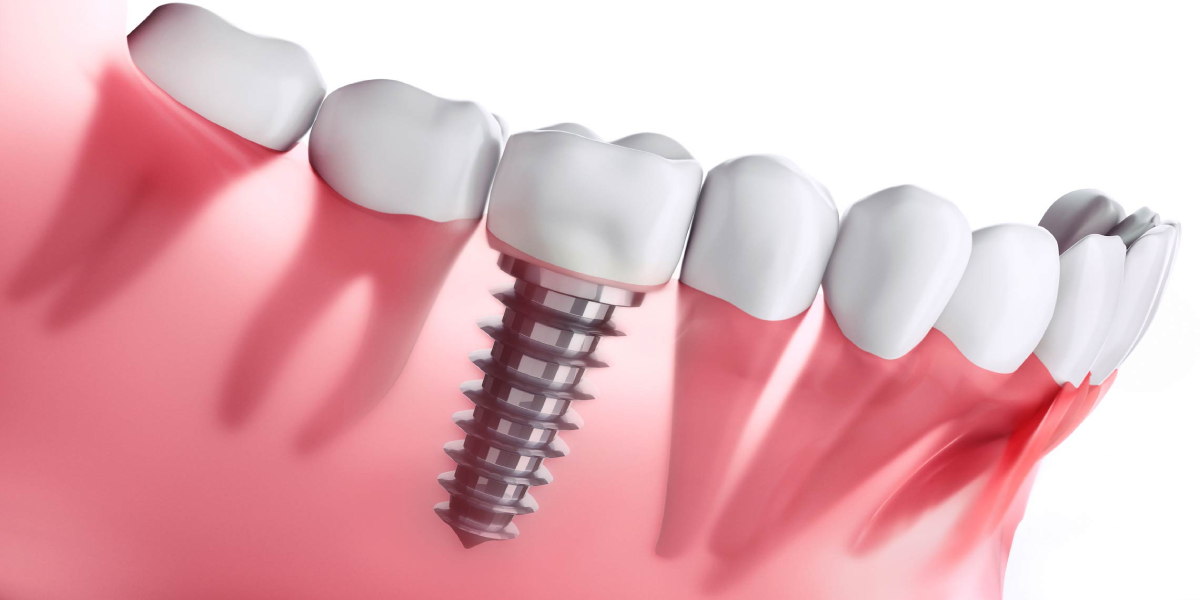
Dental implants are artificial teeth supported by a small titanium post. This post acts like an artificial tooth root. It is placed inside your jawbone. Once healed, it holds a crown, bridge, or denture securely in place.
Think of it as a strong foundation. Just like natural tooth roots support natural teeth, implants support artificial teeth.
Each implant has three main parts:
- Implant post
- Abutment
- Crown, bridge, or denture
Together, they create a complete and stable tooth replacement.
Why Replace Missing Teeth?
Ignoring missing teeth can cause bigger problems over time.
Common issues include:
- Bone loss in the jaw
- Shifting teeth
- Difficulty chewing
- Speech changes
- Higher risk of decay and gum disease
- Facial sagging
Dental implants help prevent these issues. They restore both function and appearance.
How Do Dental Implants Work?
Dental implants work by bonding directly with your jawbone. After the implant post is placed, your body begins a process called osseointegration. During this stage, the bone grows around the post. It locks the implant firmly in place. This creates a strong anchor. Very similar to natural tooth roots.
Once healing is complete, your dentist attaches the final artificial tooth. The result feels stable and comfortable. Most patients say it feels just like a natural tooth.
Step-by-Step Dental Implant Procedures
Understanding the process helps you feel more confident. Here is what typically happens.
Step 1. Consultation and planning
Your dentist evaluates your oral health. Digital scans and X-rays are taken. This helps determine if you are a good candidate for dental implants. Some patients may also meet an oral and maxillofacial surgeon for complex cases.
Step 2. Implant placement
During dental implant surgery, the implant post is inserted into the jawbone. The procedure is done with local anesthesia. You stay comfortable throughout. Healing usually takes a few months.
Step 3. Osseointegration
The implant bonds with your bone. This step helps support the implant long-term. It creates strength and stability.
Step 4. Final restoration
Once healed, a custom crown, bridge, or denture is attached. Your new tooth is shaped and colored to match your natural teeth. Most people cannot tell the difference.
Types of Restorations with Implants
Dental implants can support different solutions depending on your needs. Single crown is perfect for one missing tooth. Implant-supported bridge is great for multiple missing teeth in a row. Implant-supported denture is ideal for full arch replacement. Each option restores chewing ability and improves comfort.
Benefits of Dental Implant Treatment
There are many benefits of dental implant solutions compared to traditional methods. They are designed for long-term performance.
Key advantages include:
- Looks like natural teeth
- Feel secure while eating
- Prevent bone loss
- Improve speech
- No slipping like dentures
- Long-lasting results
- Protect surrounding teeth
- Improve overall oral health
With proper care, implants can last decades.
Who Is a Candidate for Dental Implants?
Most healthy adults qualify. You may be a candidate for dental implants if you:
- Have one or more missing teeth
- Have healthy gums
- Have enough jawbone to support the implant
- Do not smoke heavily
- Maintain good oral hygiene
If bone loss is present, bone grafting may still make implants possible. Your dentist at First Avenue Dental will guide you through your options.
Cost of Dental Implants
The cost of dental implants varies from patient to patient. Factors include:
- Number of implants needed
- Type of restoration
- Bone grafting or additional procedures
- Complexity of the case
While implants may cost more upfront than dentures or crown-bridges, they often last longer. This makes them a smart long-term investment.
Many offices offer payment plans or financing to make treatment affordable.
Caring for Your Dental Implants
Implants are low maintenance. But care still matters. Simple habits keep them strong.
- Brush twice daily
- Floss every day
- Visit your dentist regularly
- Avoid smoking
- Wear a night guard if you grind your teeth
Treat them like your natural teeth. They will reward you with years of comfort.
Why Choose Dental Implants at First Avenue Dental in Knightdale, NC?
Local care makes a difference. At First Avenue Dental, patients receive personalized treatment plans and modern technology in a comfortable setting. The team focuses on long-term oral health, not quick fixes. You get natural-looking results and expert guidance every step of the way.
Final Thoughts
Dental implants offer a permanent and natural-looking way to replace missing teeth. They restore confidence. They improve comfort. And they protect your long-term oral health.
If you are ready to explore dental implants in Knightdale, NC, the team at First Avenue Dental can help you take the next step toward a healthier smile.
FAQs
Are dental implants painful?
Most patients report mild discomfort only. The procedure is done with anesthesia. Recovery feels similar to a simple extraction.
How long does the full process take?
It usually takes three to six months. Healing time depends on how quickly your bone integrates with the implant.
Can implants replace multiple teeth?
Yes. Implants can support single crowns, bridges, or full dentures.
Are dental implants safe?
Yes. Dental implant procedures have a high success rate when performed by experienced professionals.
Do implants look natural?
Absolutely. The final crown is matched to your natural teeth in color and shape.
What if I do not have enough bone?
Bone grafting can help rebuild bone and support the implant.