Losing a tooth might seem cosmetic, but the consequences extend far beyond appearance. When you lose a tooth, a chain reaction begins in your mouth that can affect your overall oral health for years to come.
At First Avenue Dental, we often see patients who initially believed they could simply adapt to an empty space in their smile. This assumption can lead to serious complications down the road. Understanding what happens when you don’t replace a missing tooth is essential for making informed decisions about your dental care.
The truth is that every tooth in your mouth serves a specific purpose. When one goes missing, the entire system becomes unbalanced.
What Happens When You Don’t Replace a Missing Tooth
Teeth Shifting and Misalignment
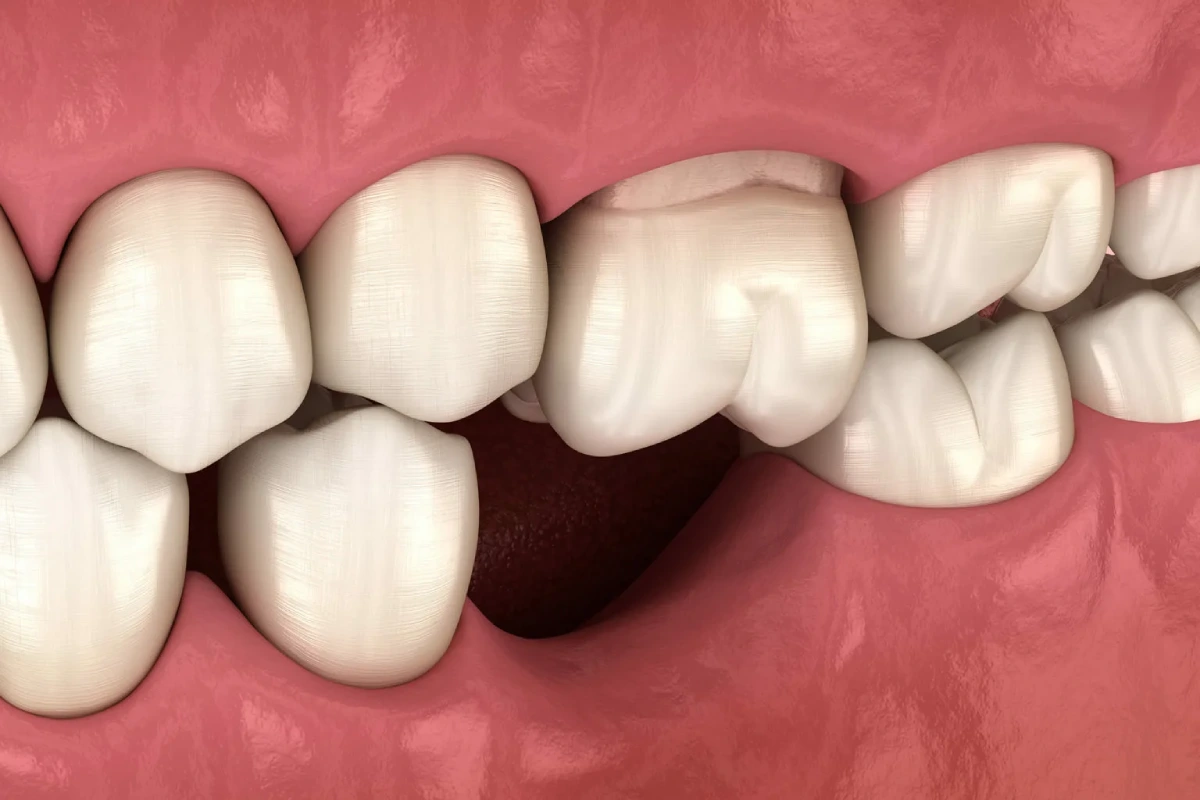
One of the most immediate consequences of a missing tooth is the movement of surrounding teeth. Nature abhors a vacuum, and your mouth is no exception.
When empty spaces exist, neighboring teeth begin to drift toward the gap. This process starts gradually but accelerates over time. The teeth adjacent to the missing tooth tilt inward, while teeth in the opposite jaw can grow longer into the space. This shifting creates a domino effect throughout your mouth. Your bite becomes misaligned, leading to uneven wear on your remaining teeth. Over time, this can cause:
- Difficulty chewing food properly
- Increased sensitivity in affected teeth
- Changes to your facial structure
- Temporomandibular joint (TMJ) problems
The longer you wait to address tooth loss, the more pronounced these changes become.
Bone Loss in the Jaw
Perhaps the most serious consequence of missing teeth is what happens beneath the gum line. Your jawbone requires constant stimulation to maintain its density and volume. Natural teeth provide this stimulation through everyday activities like chewing and biting. When you lose a tooth, the section of jawbone that supported it stops receiving this critical stimulation.
Without this regular pressure, the bone begins to deteriorate. This process, called resorption, can begin within just a few months of tooth loss. The jawbone gradually shrinks in height and width. Bone loss creates several problems:
- A sunken facial appearance that makes you look older
- Reduced support for remaining teeth
- Limited options for future dental work
- Difficulty fitting dentures properly
The bone loss accelerates over time if left untreated. This makes future restoration more complex and expensive.
Increased Risk of Gum Disease
Missing teeth create new challenges for maintaining proper oral hygiene. The gaps make it easier for food particles and bacteria to accumulate in hard-to-reach areas. Empty spaces provide ideal breeding grounds for harmful bacteria. These bacteria contribute to plaque buildup and inflammation. Over time, this increases your risk of gum disease significantly.
Empty spaces provide ideal breeding grounds for harmful bacteria. These bacteria contribute to plaque buildup and inflammation. Over time, this increases your risk of gum disease significantly.
Gum disease doesn’t just affect the area around the missing tooth. It can spread to surrounding teeth and compromise their stability. Advanced gum disease is one of the leading causes of additional tooth loss in adults. First Avenue Dental stresses treating missing teeth early. If you’re in Knightdale, NC, visit for a checkup before complications develop.
Long-Term Consequences of Untreated Tooth Loss
Impact on Remaining Teeth
When you lose a tooth, the workload doesn’t disappear. Your remaining teeth must compensate for the missing one during chewing and speaking. This additional stress causes accelerated wear and tear. Teeth that take on extra pressure become more susceptible to:
- Cracks and fractures
- Enamel erosion
- Root damage
- Premature loosening
A single missing tooth can ultimately lead to the loss of additional teeth. This creates a cycle where tooth loss begets more tooth loss.
Dietary and Nutritional Changes
Missing teeth, especially multiple teeth, can significantly impact your ability to eat certain foods. You may find yourself avoiding nutritious options like:
- Fresh fruits and vegetables
- Lean proteins
- Whole grains
- Nuts and seeds
These dietary changes can lead to nutritional deficiencies. Poor nutrition, in turn, affects your overall health and well-being. The connection between oral health and systemic health is well-documented in medical research.
Psychological and Social Effects
The consequences of tooth loss extend beyond physical health. Many people experience emotional distress related to missing teeth. A gap in your smile, particularly a missing front tooth, can affect your self-confidence. You might feel embarrassed about your appearance. This can lead to:
- Avoiding social situations
- Covering your mouth when speaking or laughing
- Reduced participation in professional settings
- Lower self-esteem
These psychological impacts can diminish your quality of life substantially. The good news is that modern tooth replacement options can restore both function and confidence.
Tooth Replacement Options Available Today
Dental Implants for Knightdale, NC Patients
Dental implants are the gold standard, offering a comprehensive solution for missing teeth. A dental implant consists of a titanium post surgically placed into the jawbone. This post acts as an artificial tooth root. After the bone integrates with the implant, a crown is attached to complete the restoration.
Dental implants provide unique benefits:
- They stimulate the jawbone, preventing bone loss
- They don’t require alteration of neighboring teeth
- They look and function like natural teeth
- They can last a lifetime with proper care
Dental implant surgery has become highly predictable and successful. Dental implants placed at First Avenue Dental in Knightdale provide natural-looking, long-lasting results.
Dental Bridges
A dental bridge literally bridges the gap created by missing teeth. This restoration uses the surrounding teeth as anchors.The teeth on either side of the gap are crowned. An artificial tooth (or teeth) is suspended between these crowns. Bridges work well for certain situations but have limitations.
Bridges require modification of healthy neighboring teeth. They also don’t address bone loss in the jaw. However, they can be a good option when dental implants aren’t feasible.
Partial and Complete Dentures
Dentures are removable appliances that replace missing teeth. Partial dentures fill in gaps when some natural teeth remain. Complete dentures replace all teeth in an arch. Modern dentures are more comfortable and natural-looking than ever. However, they don’t prevent bone loss. Many denture wearers eventually choose dental implants for better stability and function.
Why Prompt Treatment Matters
The Window of Opportunity
Time is a critical factor when dealing with tooth loss. The sooner you address a missing tooth, the more treatment options remain available. Bone loss accelerates with each passing month. After significant bone loss occurs, dental implant surgery may require additional bone grafting procedures. This adds time, complexity, and cost to treatment.
Acting quickly preserves your bone structure. It also prevents the shifting of surrounding teeth that makes restoration more challenging. Patients in Knightdale, NC, who address tooth loss early have more treatment options and better outcomes.
Cost Considerations Over Time
Many people delay treatment due to cost concerns. However, this approach often proves more expensive in the long term. Untreated tooth loss leads to additional problems that require intervention. You might need:
- Treatment for gum disease
- Restoration of damaged neighboring teeth
- Bone grafting procedures
- Orthodontic treatment to correct teeth shifting
Addressing tooth loss promptly typically costs less than managing the cascading complications that develop over time. At First Avenue Dental in Knightdale, we also offer financing options to make tooth replacement accessible for local patients.
Protecting Your Overall Health
Research continues to reveal connections between oral health and systemic conditions. Missing teeth and gum disease have been linked to:
- Cardiovascular disease
- Diabetes complications
- Respiratory infections
- Cognitive decline
Replacing missing teeth isn’t just about your smile. It’s an investment in your overall health and longevity.
Making the Right Choice for Your Situation
Factors to Consider
Several factors influence which tooth replacement option works best for you:
- The location of the missing tooth (front tooth versus back teeth)
- The condition of the surrounding teeth and gums
- The amount of bone available in the jaw
- Your overall health status
- Your budget and timeline
A comprehensive evaluation helps determine the most appropriate treatment. First Avenue Dental provides thorough assessments to guide these decisions.
The Consultation Process
Schedule your consultation at First Avenue Dental in Knightdale, NC, where our team evaluates your teeth and jaw to determine the best treatment plan. This typically includes:
- Digital x-rays or 3D imaging
- Assessment of bone density
- Evaluation of gum health
- Discussion of your goals and concerns
This information allows your dental team to create a personalized treatment plan. You’ll understand all available options and their respective benefits.
Long Term Success
The success of any tooth replacement depends partly on your commitment to oral hygiene. Regular brushing, flossing, and professional cleanings remain essential. Dental implants require the same care as natural teeth. With proper maintenance, they can last decades or even a lifetime. Other restoration options may need replacement over time.
Taking Action on Missing Teeth
Don’t Wait to Seek Help
If you are dealing with tooth loss, act now. Schedule a visit to First Avenue Dental in Knightdale and start restoring your smile before the consequences of a missing tooth worsen. Schedule a consultation to understand what’s happening in your mouth. Learn about the treatment options available to you. Get answers to your specific questions and concerns.
Early intervention gives you the best outcomes and the most choices for restoration. It also tends to be the most cost-effective approach in the long run.
Questions to Ask Your Dentist
Come to your consultation prepared with questions. Consider asking:
- What are the specific risks in my case of delaying treatment?
- Which tooth replacement option do you recommend and why?
- What is the expected timeline for treatment?
- What results can I realistically expect?
- What does aftercare and maintenance involve?
Understanding your situation fully helps you make confident decisions about your oral health.
Frequently Asked Questions
How long can I wait to replace a missing tooth?
Bone loss can begin within weeks of losing a tooth. While there’s no strict deadline, waiting several months increases complications and limits your options. Early evaluation gives you the most predictable results.
Are dental implants painful?
Implant placement is done under local anesthesia, so you won’t feel pain during the procedure. Most patients describe recovery as mild and manageable with over-the-counter medication for a few days.
Can all missing teeth be replaced with dental implants?
Most adults are candidates for implants. However, low bone density, uncontrolled diabetes, or active gum disease may require treatment first. A dental exam determines your eligibility.
Will my insurance cover tooth replacement?
Coverage varies by plan. Some policies contribute toward implants, bridges, or dentures. Our team can review your benefits and explain your options before treatment begins.
How do I prevent losing more teeth?
Brush and floss daily, schedule regular dental visits, and treat problems early. Avoid tobacco and maintain a balanced diet to support gum and bone health.
What happens if I lose a front tooth?
Front tooth loss affects both appearance and bone structure quickly. Dental implants provide natural-looking results, and temporary options can be placed while your final restoration is prepared.
How long do dental implants last?
With proper care, implants can last 20+ years or longer. The attached crown may need replacement over time, but the implant itself is designed to be long-lasting.
Can teeth shifting from a missing tooth be reversed?
If treated early, orthodontics can correct mild shifting. Replacing the missing tooth promptly helps prevent movement from occurring in the first place.