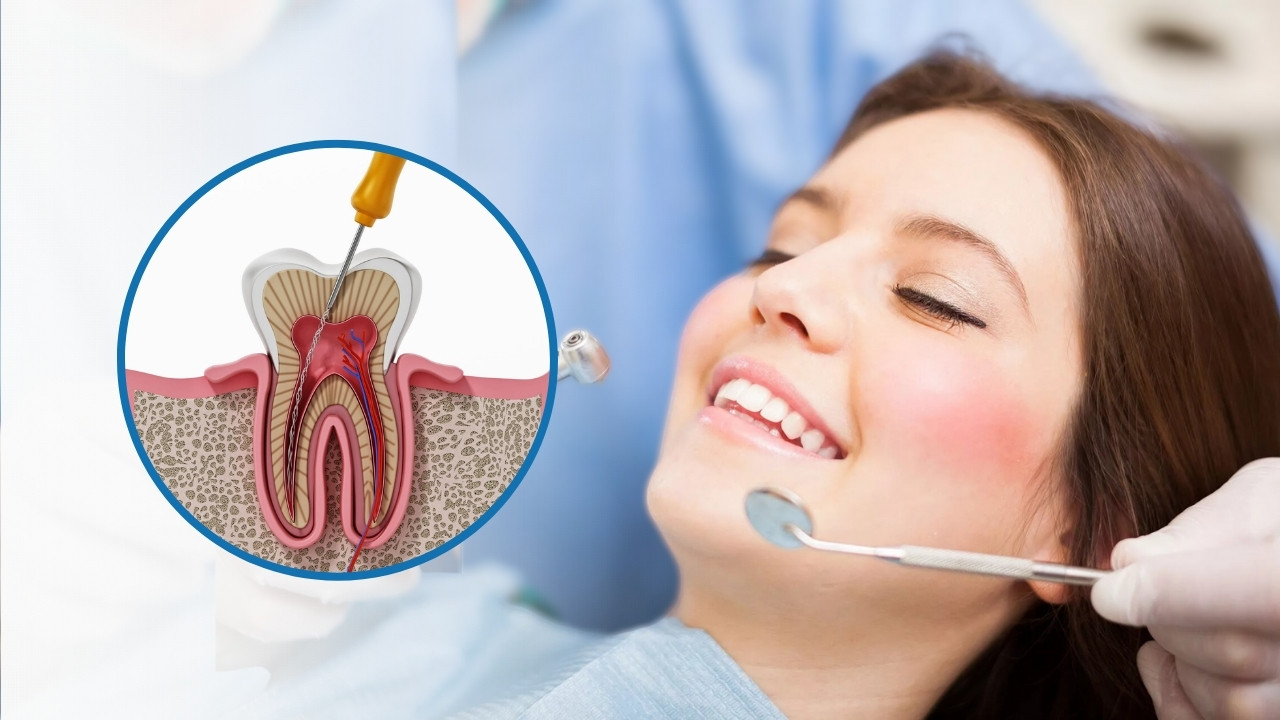
Hearing the term “root canal” often makes people uneasy because of long-standing myths and outdated information. In reality, root canal treatment is a safe and effective way to save an infected tooth and relieve pain, not cause it.
This guide from First Avenue Dental in Knightdale, NC, explains what really happens during a root canal procedure, clears up misconceptions, and helps you understand what to expect before, during, and after treatment.
What Is Root Canal Treatment?
A root canal, also called endodontic treatment or root canal therapy, is performed to save a tooth that is infected or severely decayed. During the procedure, the dentist removes the infected pulp, which is the soft tissue inside the tooth containing nerves and blood vessels. The canals are then cleaned and sealed with a safe, biocompatible material.
By saving your natural tooth, root canal therapy maintains proper chewing function, supports your bite, and prevents nearby teeth from shifting.
Why You Might Need a Root Canal
Root canal treatment becomes necessary when the tooth pulp becomes infected or damaged due to:
- A deep cavity
- Repeated dental procedures on the same tooth
- A crack or chip
- Trauma or injury to the tooth
If untreated, the infection can spread, leading to an abscess, bone loss, or even systemic health issues if bacteria enter the bloodstream.
Common Myths About Root Canal Treatment
Myth 1: Root Canals Are Painful
Modern dentistry makes root canal procedures virtually painless. Thanks to advanced technology and local anesthesia, a root canal feels similar to getting a filling. In fact, it eliminates the pain caused by the infection.
Myth 2: It’s Better to Extract the Tooth
While removing a tooth might seem like an easier fix, it can cause surrounding teeth to shift, affect your bite, and lead to bone loss. When possible, saving your natural tooth through root canal therapy is the healthier, longer-lasting option.
Myth 3: Root Canals Take Too Long
Most root canal treatments are completed in one to two hours, often in a single visit. Complex cases may require an additional appointment, but the procedure is efficient and highly effective.
Facts About Root Canal Treatment
Fact 1: The Steps of the Root Canal Procedure
Here’s what usually happens during treatment:
- Examination and X-rays to determine the extent of infection
- Local anesthesia to keep you comfortable
- Placement of a dental dam to keep the area clean and dry
- Removal of infected pulp and cleaning of the canals
- Sealing the canals with a biocompatible material such as gutta-percha
- Placement of a temporary filling or crown until a permanent restoration is added
Fact 2: How Long a Root Canal Takes
Most treatments take between one and two hours. Some teeth with multiple roots may need a second visit for thorough cleaning and sealing.
Fact 3: Signs You Might Need a Root Canal
You may need a root canal if you notice:
- Severe pain while chewing or biting
- Prolonged sensitivity to hot or cold
- Swelling or tenderness in the gums
- Tooth discoloration
- A small pimple-like bump on the gums
If you experience these symptoms, contact First Avenue Dental in Knightdale, NC, or a trusted endodontist near you for evaluation.
Fact 4: Root Canal for Tooth Abscess
When infection spreads beyond the root, an abscess can form. A root canal removes the infected tissue, drains the abscess, and prevents reinfection, saving the tooth from extraction.
What to Expect After a Root Canal
Pain and Sensitivity
Mild tenderness or soreness for a few days is normal after treatment. Over-the-counter pain relievers can help manage discomfort. If pain or swelling continues, reach out to your dentist.
Temporary Side Effects
You may experience slight swelling, mild sensitivity, or soreness at the injection site. These are temporary and part of the healing process.
Post-Treatment Care Tips
To support healing after root canal therapy:
- Avoid chewing on the treated tooth until it is fully restored
- Eat soft foods for a few days
- Brush and floss gently around the area
- Follow your dentist’s aftercare instructions carefully
Your dentist may recommend placing a permanent crown to restore strength and protect the treated tooth from damage.
Finding Root Canal Treatment Near You
If you suspect you need a root canal, search for root canal treatment in Knightdale, NC, or schedule an appointment with First Avenue Dental. Their experienced team provides gentle, precise care to restore your comfort and preserve your natural smile.
Questions to Ask Your Dentist or Endodontist:
- How many root canal treatments do you perform each year?
- What type of anesthesia will be used?
- Will I need a crown after the procedure?
- How long will recovery take?
Conclusion
Understanding the facts about root canal treatment can ease anxiety and encourage timely dental care. It is not the painful procedure many people imagine, but rather a safe and effective way to save your natural tooth and protect your overall oral health.
With the right care and regular dental visits, a treated tooth can last for many years, helping you maintain a healthy and confident smile. For compassionate and expert root canal treatment, visit First Avenue Dental in Knightdale, NC.