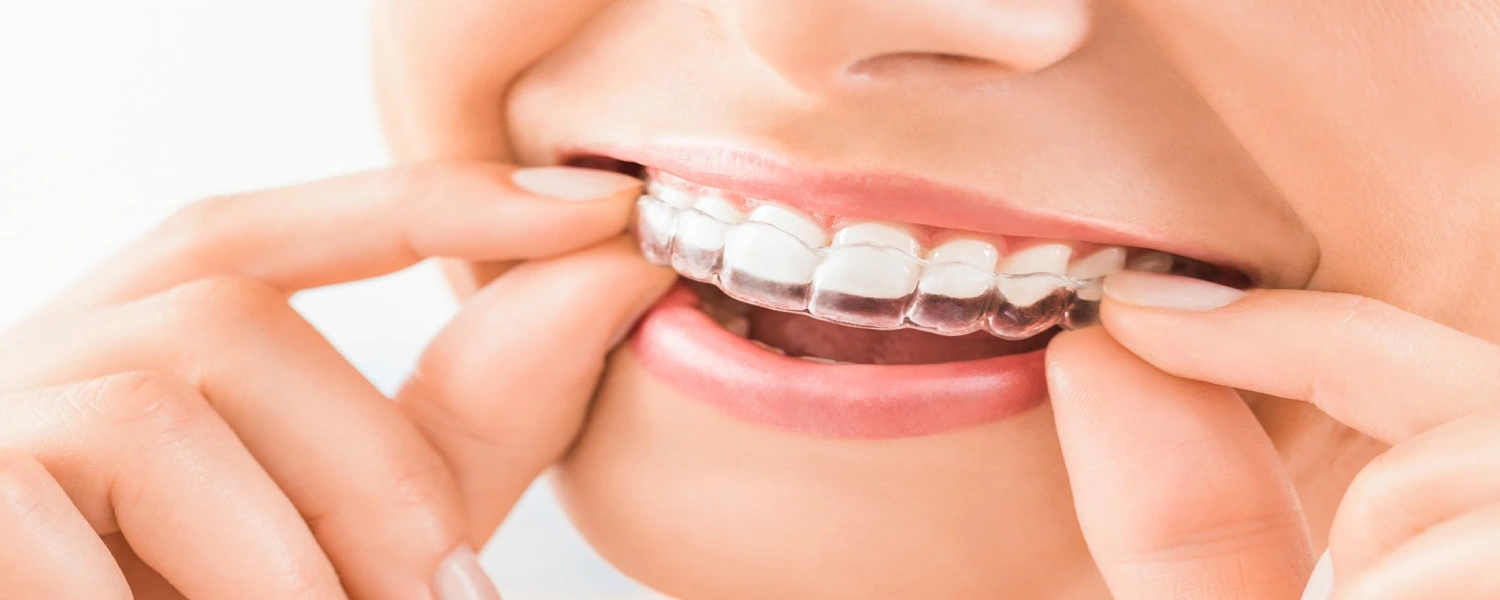
More people are choosing clear aligners over traditional braces, and it is easy to see why. They are virtually invisible, removable, and much more comfortable. But how do they actually work?
This step-by-step guide breaks down the entire process. From your first consultation to your last aligner, here is exactly what happens and what you can expect along the way.
What Are Clear Aligners?
Clear aligners are a type of orthodontic treatment that straightens teeth without metal brackets or wires. They are made from a clear, BPA-free plastic that fits snugly over your teeth. Each set of aligners is slightly different from the last, and together they gradually shift your teeth into the right position. Unlike traditional braces, you can take them out when you eat, brush, or floss. That makes them a popular choice for both teenagers and adults.
How Clear Aligners Work: The Step-by-Step Process
The process is more straightforward than most people expect. Here is how it works from start to finish.
Step 1: Initial Consultation and Assessment
Your journey starts with a consultation at your dental clinic.
Your dentist will examine your teeth and bite, ask about your goals, and determine whether aligner treatment is right for you. Not everyone is a candidate. Severe crowding, bite issues, or specific dental conditions may require a different approach. At First Avenue Dental, this consultation also includes a full review of your oral health to make sure you are ready to begin.
Step 2: Digital Scanning of Your Teeth
If you are a good candidate, the next step is digital scanning.
Instead of messy dental impressions, modern clinics use a small handheld scanner to create a 3D image of your teeth. The process is quick, comfortable, and highly accurate. This digital scan forms the foundation of everything that comes next. It is used to map out exactly where your teeth are now and where they need to go.
Step 3: Creating Your Custom Treatment Plan
Using your scan, the dental team will create a custom treatment plan just for you.
This plan maps out the precise movements your teeth need to make, in what order, and over what time period. You will often get a digital preview that shows where your teeth will be at the end of treatment. Your custom treatment plan is what makes clear aligners so effective. Everything is planned in advance, with no guesswork involved.
Step 4: Your Aligners Are Manufactured
Once your plan is approved, your aligners are made.
Each set of aligners in your series is slightly different. They are designed to move your teeth incrementally, a fraction of a millimetre at a time. The total number of aligners in your series depends on the complexity of your case.
Simple cases may need 10 to 15 sets. More complex cases can involve 30 or more. Your dentist will give you a clear idea of what to expect during your consultation.
Step 5: Wearing Your Aligners Daily
This is where the real work happens. You need to wear your aligners for 20 to 22 hours every day.
That 2 to 4 hour window is reserved for eating and drinking, and for brushing and flossing. Other than that, your aligners should stay in at all times, including while you sleep.
Why is this so important? Because the aligners are only moving your teeth when they are in contact with them. Skipping hours adds up quickly and can delay your results significantly.
Here is a quick summary of daily aligner habits:
- Wear aligners for 20 to 22 hours per day.
- Remove them only to eat, drink anything other than water, and to brush and floss.
- Rinse your aligners every time you remove them.
- Store them in their case when not in use.
- Never wrap them in a napkin, as they can easily be thrown away.
Step 6: Switching to the Next Set of Aligners
Every one to two weeks, you move on to the next set of aligners in your series.
Each new set picks up right where the last one left off. As you progress through your aligners, you are steadily moving your teeth closer and closer to their final position.
The first day or two with a new set can feel slightly tight. That is completely normal. It means the aligners are working.
Step 7: Regular Check-Ins at the Clinic
You will have regular check-in appointments throughout your treatment, typically every 6 to 8 weeks.
These visits allow your dentist to track your progress, make any adjustments to your plan, and hand over your next batch of aligners. Think of them as progress reviews rather than intensive appointments.
They are usually short, but they are important. Missing them can slow your progress.
Step 8: Completing Your Treatment
Once you have worked through your full series of aligners, your active treatment is complete.
At this point, your dentist will assess your results. In some cases, a few additional refinement aligners may be made to fine-tune the outcome. When everything looks right, you move into the retention phase.
The Retention Phase: Keeping Your Results
This step is non-negotiable. After orthodontic treatment, teeth have a natural tendency to shift back to their original position. This is called relapse, and it happens because the bones and tissues around your teeth need time to settle in their new arrangement.
Retainers prevent this from happening. They hold your teeth in place while everything stabilises around them. Your dentist will advise you on how often to wear your retainer. In most cases, it starts as full-time wear and gradually transitions to nights only.
Oral Hygiene During Clear Aligner Treatment
One of the biggest advantages of clear aligners is how easy they make it to maintain good oral hygiene. Because you remove them before eating and before you brush and floss, there are no food traps and no awkward flossing around wires. Your dental routine stays the same as it always was.
That said, it is important to brush and floss thoroughly before putting your aligners back in. Food or plaque left on your teeth gets trapped under the aligner, which can increase the risk of cavities and gum issues.
Here are some oral hygiene tips for aligner wearers:
- Brush your teeth after every meal before reinserting your aligners.
- Floss at least once a day.
- Rinse your aligners with lukewarm water every time you remove them.
- Clean your aligners with a soft-bristle toothbrush and mild soap.
- Avoid soaking them in mouthwash as this can discolour the plastic.
What to Expect in Daily Life With Clear Aligners
Adjusting to aligners takes a little time, but most people settle in within the first week. Here is what daily life typically looks like during treatment:
- Mild pressure or discomfort when starting a new aligner set is normal and usually fades within 48 hours.
- Speaking may feel slightly different at first, but most people adjust within a few days.
- You can eat and drink anything, but remove your aligners first.
- Drink only water while your aligners are in.
- You can exercise and play sports with them.
Clear aligners are designed to fit into your daily life, not disrupt it.
Clear Aligners vs Traditional Braces: Key Differences
Both options are effective, but they work differently. Here is a quick comparison:
Appearance
- Clear aligners are nearly invisible.
- Traditional braces use visible metal brackets and wires.
Comfort
- Clear aligners have smooth edges and no sharp metal parts.
- Traditional braces can cause mouth irritation from brackets and wires.
Removability
- Clear aligners can be removed for eating, brushing, and flossing.
- Traditional braces are fixed and cannot be removed until treatment is complete.
Suitability
- Clear aligners are ideal for mild to moderate alignment and spacing issues.
- Traditional braces may be recommended for more complex orthodontic cases.
Your dentist will help you decide which option is the better fit for your specific needs.
How Long Does Clear Aligner Treatment Take?
Treatment length varies from person to person. On average, most patients complete their aligner treatment within 6 to 18 months. Mild cases can finish faster. More complex cases take longer.
The most important factor? Compliance. Wearing your aligners for the recommended 20 to 22 hours a day is the single biggest thing you can do to stay on track.
Who Is a Good Candidate for Clear Aligners?
Clear aligners for teeth work well for a wide range of concerns, including:
- Crowded teeth
- Gaps between teeth
- Mild to moderate overbites and underbites
- Crossbites
- Minor bite misalignment
However, clear aligners may not be suitable for everyone. Severe orthodontic issues, certain jaw problems, or patients who are unlikely to wear aligners consistently may be better served by alternative treatments.
A proper consultation is the only way to know for sure.
FAQs about clear aligners
Are clear aligners painful?
They are not painful, but you may feel some pressure or mild discomfort when you switch to a new set. This usually fades within a day or two and is a sign that the aligners are working.
Can I eat and drink with clear aligners in?
You should remove your aligners before eating or drinking anything other than water. Food can damage the aligners, and coloured drinks like coffee or tea can stain them.
How do I clean my clear aligners?
Rinse them with lukewarm water every time you remove them. Use a soft toothbrush and mild soap to clean them gently. Avoid hot water as it can warp the plastic.
What happens if I lose or break an aligner?
Contact your dental clinic immediately. You may be advised to go back to your previous aligner or move on to the next one in the series, depending on how far along you are. Always let your dentist guide that decision.
Do I need to wear a retainer after clear aligner treatment?
Yes. Retainers are essential after any orthodontic treatment. Without one, your teeth are at risk of shifting back to their original position. Your dentist will advise you on how long and how often to wear it.
Is clear aligner dental treatment covered by insurance?
Coverage varies depending on your plan. Some dental insurance plans include orthodontic benefits that apply to clear aligner treatment. It is worth checking with your provider before you begin.
Ready to Start Straightening Your Teeth?
Clear aligners are one of the most effective and convenient ways to straighten your smile. The process is well-planned, comfortable, and fits around your daily life. If you have been thinking about clear aligner treatment, the best first step is a consultation with a qualified dental professional.
At First Avenue Dental, our team will assess your smile, walk you through your options, and help you decide whether clear aligners are the right fit for you. Book your consultation today and take the first step toward a straighter, healthier smile.