Dental bridges are a popular solution for missing teeth, restoring both function and appearance while preventing remaining teeth from shifting and helping maintain facial structure. At First Avenue Dental in Knightdale, NC, patients can explore various types of dental bridges to suit their specific needs, often at a more affordable cost than implants. With proper care and maintenance, these bridges can last between 5 and 15 years. This article will cover their benefits, care, costs, and how they compare to other dental options.
What Are Dental Bridges?
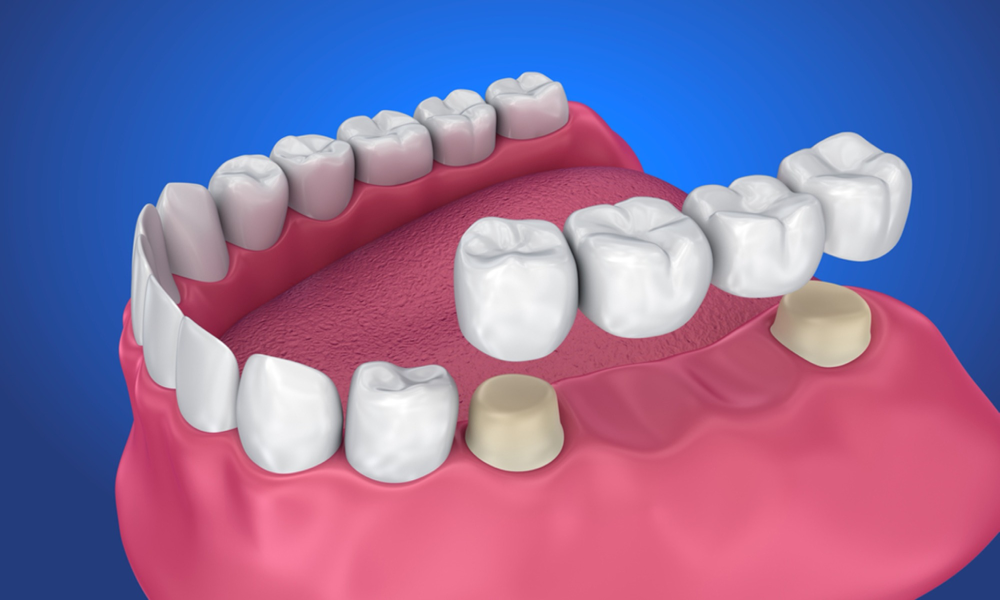
Dental bridges are prosthetic devices used to replace one or more missing teeth. They consist of artificial teeth, called pontics, held by crowns. These crowns attach to natural teeth or implants.
Several types of dental bridges exist, each serving specific needs. Understanding these types can help in making informed decisions.
Common Components of Dental Bridges:
- Pontic: The artificial tooth replacing the missing one.
- Abutment Teeth: Natural teeth or implants supporting the bridge.
- Crowns: Caps placed on the abutment teeth.
Dental bridges are fixed solutions, unlike removable dentures. They improve chewing and speaking abilities, enhancing overall oral health.
Types of Dental Bridges
There are four main types of dental bridges, each suited to different situations. Understanding these variations helps in choosing the right option. Consulting with your dentist will ensure the best fit for your dental needs.
Types of Dental Bridges:
- Traditional Bridges: Involves crowns for abutment teeth on either side of the missing tooth.
- Cantilever Bridges: Used when only one side of the space has natural teeth.
- Maryland Bridges: Use a metal or porcelain framework to bond teeth.
- Implant-Supported Bridges: Supported by implants rather than crowns or frameworks.
Traditional bridges are the most common and work well for areas with strong adjacent teeth. Cantilever bridges can be ideal for limited space, but are less common. Maryland bridges have minimal impact on adjacent teeth, offering a conservative approach. Implant-supported bridges provide a strong, permanent solution but require surgical procedures.
Dental Bridge Procedure: What to Expect
Getting a dental bridge usually involves two visits to the dentist. During the first visit, the dentist prepares the abutment teeth by reshaping them. This step is essential for fitting the crowns that will hold the bridge in place.
An impression of your teeth is then taken to create a custom bridge. Temporary crowns protect the exposed teeth and gums while the permanent bridge is being crafted. This step ensures your comfort between appointments.
On the second visit, the permanent bridge is fitted and adjusted for comfort and functionality. Your dentist checks the fit carefully to ensure it matches your bite and smile perfectly.
Dental Bridge Benefits
Dental bridges offer multiple advantages for individuals with missing teeth. Firstly, they restore the appearance and function of your smile. You will notice improved chewing and speaking abilities almost immediately after the procedure.
They also help prevent remaining teeth from shifting out of place. This aspect is vital for maintaining dental alignment and avoiding further oral health issues. Furthermore, dental bridges can enhance your confidence and self-esteem.
Here are some key benefits of dental bridges:
- Restore natural appearance and function.
- Improve chewing and speaking capabilities.
- Prevent shifting of adjacent teeth.
- Maintain facial structure.
- Enhance self-confidence and quality of life.
Dental Bridge Cost and Affordability
The cost of dental bridges can vary based on several factors. Material choice and the complexity of the procedure primarily affect the price. Generally, dental bridges are more affordable than implants, making them an attractive option for many. Costs can range from a few hundred to several thousand dollars. Dental insurance often covers part of the expense, easing the financial burden.
Many dental offices offer payment plans to make dental bridges accessible for everyone. At First Avenue Dental, we always strive to give you the best value for your money by offering personalized treatment options that balance quality care with affordability.
Consider these factors affecting the cost of dental bridges:
- Type and quality of materials used.
- Number of missing teeth being replaced.
- Geographic location of the dental practice.
- Insurance coverage and available payment plans.
Dental Bridge vs Implants and Other Options
When considering tooth replacement, both bridges and implants offer unique benefits. Dental bridges provide a quicker and less invasive solution. They are a great choice for those looking to avoid surgery.
In contrast, dental implants generally offer more durability. However, they require a more invasive surgical procedure and longer recovery time. For some, this might not be a feasible option due to health reasons or cost.
It’s important to weigh these options based on individual needs:
- Durability: Implants often last longer.
- Invasiveness: Bridges are non-surgical.
- Cost: Bridges are generally less expensive.
Dental Bridge Care and Maintenance
Proper care is essential to maximize the lifespan of your dental bridge. Regular dental check-ups are key to ensuring that your bridge remains in good condition. At First Avenue Dental in Knightdale, NC, our team carefully monitors your oral health during routine visits, helping to spot and address potential issues early.
Incorporating specialized tools, such as interdental brushes, will help clean around and under the bridge efficiently. Flossing is vital for maintaining oral hygiene and keeping your gums healthy. Using dental floss designed for bridges can reach spaces that are hard to clean.
Here are some maintenance tips:
- Brush twice daily with fluoride toothpaste.
- Floss daily using special bridge floss or floss picks.
- Avoid hard foods that might damage the bridge.
Consistent care and regular visits to First Avenue Dental will help prevent complications such as decay and gum disease. By following these tips, you can protect your dental investment and enjoy a healthy smile for years to come.
Dental Bridge Lifespan: How Long Do They Last?
The lifespan of a dental bridge typically spans 5 to 15 years. Longevity depends largely on how well you maintain it. Your oral hygiene practices play a critical role in extending the life of your bridge. Regular dental visits and avoiding hard foods can also enhance durability. By taking good care of your oral health, you can ensure your bridge serves you well for many years.
Finding Affordable Dental Bridges Near You
Affordable dental bridges can fit most budgets with careful planning. Local dental clinics often provide cost-effective solutions.
To find suitable options, consider:
- Searching online for “dental bridges near me.”
- Reading patient reviews to gauge quality.
- Consulting your dentist for referrals to trusted clinics.
By exploring these avenues, you can secure quality dental care without breaking the bank.
Conclusion
Dental bridges are a reliable way to restore both the function and appearance of your smile, offering an affordable and effective solution for replacing missing teeth. With proper care and maintenance, they can provide lasting results and protect your overall oral health. If you’re in Knightdale, NC, the team at First Avenue Dental is here to help. Schedule a consultation today and let us guide you toward the best dental bridge option for your needs, so you can enjoy a healthy, confident smile for years to come.