First Avenue Dental reception wall with logo and mirror reflection

Emergency Dentist in Knightdale, NC

Dental emergencies can't wait. Call us first — we'll get you seen as quickly as possible.

Dentist consulting with a patient about urgent dental concerns

Emergency Dental Care in Knightdale, NC — Same Day, No Waiting

Dental emergencies don't follow a schedule. A cracked tooth at dinner. A knocked-out tooth during a weekend game. Sudden, worsening pain that won't let you sleep. When something goes wrong, waiting isn't an option — and it shouldn't be.

At First Avenue Dental, we reserve time in our schedule specifically for same-day emergencies. Patients across Knightdale, Wendell, Garner, Raleigh, and Wake County call us when something goes wrong — and we do everything possible to see them the same day. Dr. Faisal Shaikh handles every emergency personally, from immediate pain relief through whatever follow-up treatment is needed.
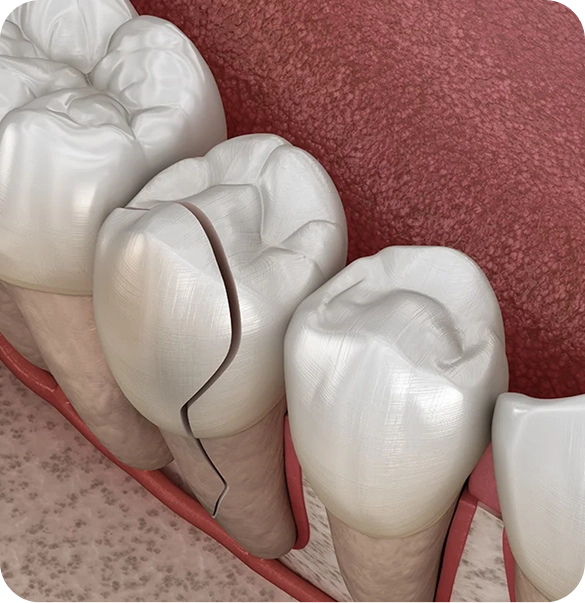
3D illustration of teeth with a cracked molar indicating a dental emergency

Is Your Situation a Dental Emergency?

Many people are unsure whether their situation warrants an urgent call — and end up waiting too long. Call us immediately for any of the following:

Knocked-out tooth — Time is critical. A tooth replanted within 30 to 60 minutes has the best chance of survival. Call us the moment it happens. Severe or escalating tooth pain — Especially if it's throbbing, persistent, preventing sleep, or spreading to your jaw or ear. Pain that worsens over hours indicates something that won't resolve on its own. Cracked or broken tooth — Sharp edges cut soft tissue and damage progresses without treatment. Even if pain is minimal, it needs to be evaluated promptly. Dental abscess or swelling — Facial swelling or a fever alongside tooth pain indicates infection. Dental infections can spread quickly — this is urgent. Lost crown or filling — The exposed tooth is vulnerable to pain, sensitivity, and rapid decay. Needs replacement soon.

When it can likely wait: A minor chip with no pain. Mild sensitivity that's stable and not worsening. When in doubt — call us. We'll help you assess the urgency over the phone.

Common Dental Emergency Warning Signs

If you're experiencing any of the following, call First Avenue Dental at (919) 266-9286 right away:

  • Severe, throbbing, or persistent toothache that won't go away
  • Visible swelling in the face, jaw, or gums
  • Bleeding in the mouth that doesn't stop
  • A knocked-out, broken, or severely cracked tooth
  • A lost crown, filling, or dental bridge
  • A dental abscess — visible pimple on the gum, fever, or foul taste
  • Severe pain or pressure when biting down
  • An object lodged between teeth that you can't remove

The sooner you call, the better the outcome. Most of these situations worsen with every hour of delay — and same-day treatment is almost always more straightforward than treatment after waiting.

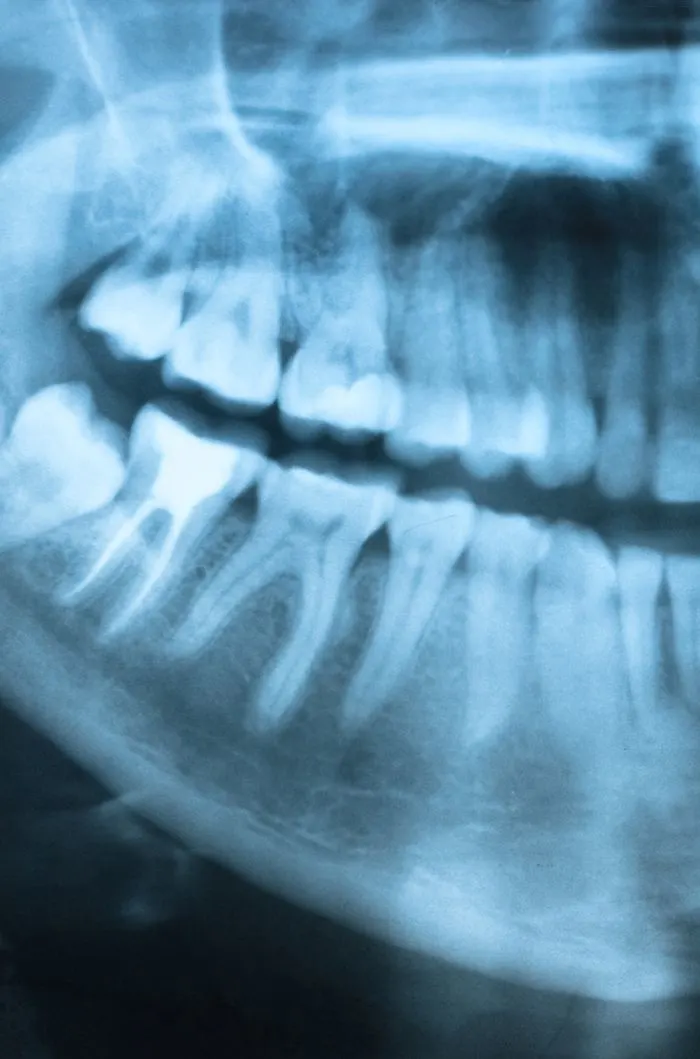
Computer monitor displaying a panoramic digital dental X-ray

Accurate Emergency Diagnosis with Digital X-Rays

When you arrive with a dental emergency, the first step is understanding exactly what's happening — and that requires accurate imaging. Our digital X-ray system produces high-resolution images instantly, allowing Dr. Shaikh to identify the source of the problem, assess the extent of the damage, and begin treatment without delay.

Digital X-rays use a fraction of the radiation of traditional film X-rays and are reviewed with you on-screen during your appointment. There's no waiting, no guessing, and no sending images to an outside lab. You'll know what we're looking at before we begin treatment.

Gloved hand selecting a dental instrument from a tray with a patient in the background during in-house treatment

Complete Emergency Treatment — All In One Location

Many emergency dental clinics are set up to manage acute pain and refer you somewhere else for definitive care. We're not that.

As a full-service practice with an in-house milling unit and lab, First Avenue Dental handles the complete treatment from start to finish — no referrals, no bouncing between providers, no delays. If your emergency requires a root canal, we do that here. If you need a crown, we mill it the same day. If the tooth can't be saved and you need an extraction followed by an implant consultation, Dr. Shaikh handles all of it in-house.

The goal is simple — you call us once, and we take care of everything.

Woman in a dental chair holding her cheek while a dentist examines her during same-day emergency care

Same-Day Emergency Appointments in Knightdale, NC

When you call First Avenue Dental with a dental emergency, our team doesn't put you on hold or ask you to book online. We ask what's happening, assess the urgency, and find the earliest available appointment — which in most cases is the same day.

We reserve dedicated time in our daily schedule specifically for emergency patients. Whether you're an existing patient or calling us for the first time, we will do everything we can to see you the same day you call. Don't wait and hope the pain goes away. It rarely does — and the longer a dental emergency goes untreated, the more complex and costly the treatment becomes.

Why Treating a Dental Emergency Quickly Matters

Immediate Pain Relief

Dental pain is your body's signal that something is wrong and needs attention now. Same-day treatment stops the pain at its source — not just masks it — so you can eat, sleep, and get back to your normal routine as quickly as possible.

Protect Your Tooth — and Your Smile

Acting fast gives us the best chance of saving the damaged tooth. Whether it's a knocked-out tooth, a cracked crown, or a severe infection, early treatment almost always leads to a better outcome than waiting — both clinically and cosmetically.

Prevent the Problem From Getting Worse

A cracked tooth becomes a broken tooth. A small infection becomes an abscess. An abscess can spread to the jaw, neck, or beyond. What starts as a manageable emergency becomes a costly, complex procedure when left untreated. Getting seen quickly is always the smarter — and less expensive — choice.

What to Expect When You Call First Avenue Dental

Here's exactly what happens when you call us with a dental emergency:

  1. Step 1 — Call us at (919) 266-9286

    Our team picks up, listens to what's happening, and assesses how urgently you need to be seen. In most cases we'll get you in the same day.

  2. Step 2 — Come in

    When you arrive, Dr. Shaikh sees you personally. No waiting to be handed off to an assistant. He takes the necessary X-rays, identifies the source of the problem, and explains your options clearly.

  3. Step 3 — We begin treatment immediately

    Whether it's a root canal, extraction, crown re-cementation, or abscess drainage — we act the same day whenever clinically possible. Sedation is available if you're in significant pain or experiencing anxiety.

  4. Step 4 — We map out next steps

    Once the immediate emergency is resolved, we'll outline any follow-up treatment needed and work with you on a plan that fits your schedule and budget.

First Steps Before You Get to Our Office

  1. If there is bleeding

    Apply gentle pressure to the area using a clean piece of gauze or cloth. Hold it firmly until the bleeding slows or stops. Stay as calm as possible — call us while you're doing this if you need guidance.

  2. If there is swelling or pain

    Apply a cold compress to the outside of your cheek for 10-minute intervals. Ibuprofen or acetaminophen can take the edge off temporarily — avoid aspirin as it thins the blood and can make bleeding harder to control. These steps manage symptoms only — they don't treat the underlying problem.

  3. Call First Avenue Dental immediately

    Don't wait to see if things improve on their own. Call (919) 266-9286 the moment your emergency happens. We'll assess your situation over the phone, give you specific guidance for your case, and get you in as quickly as possible — same day in most situations.

Frequently Asked Questions

Check out these frequently asked questions, or call us to speak with our team.

While the emergency room can provide temporary relief for dental emergencies, they are not equipped to handle the comprehensive treatment needed. The ER can administer pain medication, control bleeding, and, in some cases, perform a tooth extraction. However, for long-term solutions and ongoing dental care, it's crucial to visit an emergency dentist like our team at First Avenue Dental.

However, if you are in an emergency situation, a trip to the ER may be necessary. Here are a few rare examples:

  • Signs of Infection: Symptoms like swelling in the face or neck, difficulty breathing, or fever alongside tooth pain could suggest a spreading infection, potentially leading to life-threatening conditions like sepsis.
  • Trauma or Fractures: If the pain is due to trauma that results in a broken jaw or significant facial injury, we may recommend an ER visit is essential for immediate treatment.

If you're experiencing severe tooth pain, there are a few steps you can take to find relief until you can see an emergency dentist in Knightdale, NC:

  1. Rinse your mouth with warm salt water to help reduce inflammation and clean the affected area.
  2. Take over-the-counter pain medication, such as ibuprofen or acetaminophen, to alleviate the discomfort.
  3. Apply a cold compress to the outside of your cheek to reduce swelling and numb the pain.
  4. Avoid chewing on the affected side of your mouth and stick to soft, cool foods.
  5. Contact our emergency dental clinic as soon as possible to schedule an appointment and receive professional treatment.

Remember, while these home remedies can provide temporary relief, it's crucial to seek professional dental care to address the root cause of the problem and prevent further complications.

If you accidentally knock out a tooth, act quickly to improve the chances of saving it. Gently pick up the tooth by its top part (the crown), avoiding touching the root. Rinse it carefully with warm water to remove debris, without scrubbing. If possible, try reinserting it into the socket without forcing it. If it doesn't fit easily, store it in cold milk and contact us right away for guidance and to prepare for your visit. Time is of the essence — the tooth needs to be replaced and splinted within 1-2 hours to avoid further damage.

If any of your dental work, such as a filling or crown, has fallen out, it's important to take action right away. Place the dental piece in a plastic bag or container and bring it with you to our office. Then, contact us right away to set up an emergency appointment. Losing dental work can leave sensitive parts of your mouth exposed to bacteria, which can cause infections, decay, or other problems. Don't wait to call us so we can fix your dental work and protect your smile.

If you have a severe toothache for more than two days, it might mean there's an infection that needs immediate care. Call us right away to make an appointment. To ease the pain temporarily, apply a cold compress to your cheek, take pain relievers from the pharmacy, or use a numbing gel like Orajel. Keep in mind that professional help will be required to treat the cause of the toothache and prevent more serious problems. A root canal might be necessary to save the tooth.

If you chip, break, or crack a tooth, you need professional care to assess the damage and prevent further problems. It's difficult to know how bad the damage is without a full examination. Ignoring it can lead to infections and other issues. Call us immediately for an appointment so we can check the damage, determine how to fix and protect your tooth, and create a plan to get you out of pain.

If your tooth is loose because of an injury, it's important to get in touch with us immediately for a same-day appointment. Not taking care of a loose tooth promptly can cause the nerves that support the tooth to die, which could lead to losing the tooth. To keep it stable, please don't play with the loose tooth using your tongue or fingers. Once you're in our office for emergency treatment, the dentist will secure the loose tooth to the ones next to it using a stabilizing splint. This splint helps support and begins the healing process, helping your tooth to reattach to the gums. Please, don't hesitate to contact us for assistance — we're here to help save your tooth.

Let's get you scheduled

Preserve. protect. restore

Call (919) 266-9286 — We're Ready to Help